Ensuring Reliable ML Pipelines with DataHub
What to Expect in the Blog?
Explore LinkedIn’s approach to data observability and metadata management with DataHub, focusing on proactive monitoring, data lineage, and data quality enhancement across ML pipelines.
Tags: LinkedIn, DataHub, data observability, metadata management, ML pipeline reliability, data lineage, data quality, proactive monitoring
Data Observability at LinkedIn
Keeping ML Pipelines Reliable with DataHub
Maintaining reliable machine learning (ML) pipelines is crucial for LinkedIn, and data observability plays a central role in achieving this reliability.
At LinkedIn, the DataHub project stands out as a robust tool that promotes data discoverability, governance, and quality, enabling teams to track data lineage and transformations with ease.
In this blog post, I’ll delve into LinkedIn’s DataHub, highlighting its unique features, the power of metadata management, and proactive monitoring practices for ML pipeline reliability.
Understanding Data Observability and Its Importance for ML Pipelines
Data observability ensures that data flows within ML pipelines are transparent, reliable, and efficient. At LinkedIn, DataHub addresses these needs by focusing on:
- Metadata Management: Allowing seamless search and discovery of data assets.
- Data Lineage: Tracking the origins and transformations of data, essential for data integrity.
- Proactive Monitoring: Implementing automated alerts to identify and resolve data issues early.
Data observability is indispensable for LinkedIn, where ML pipelines fuel services impacting millions of users daily.
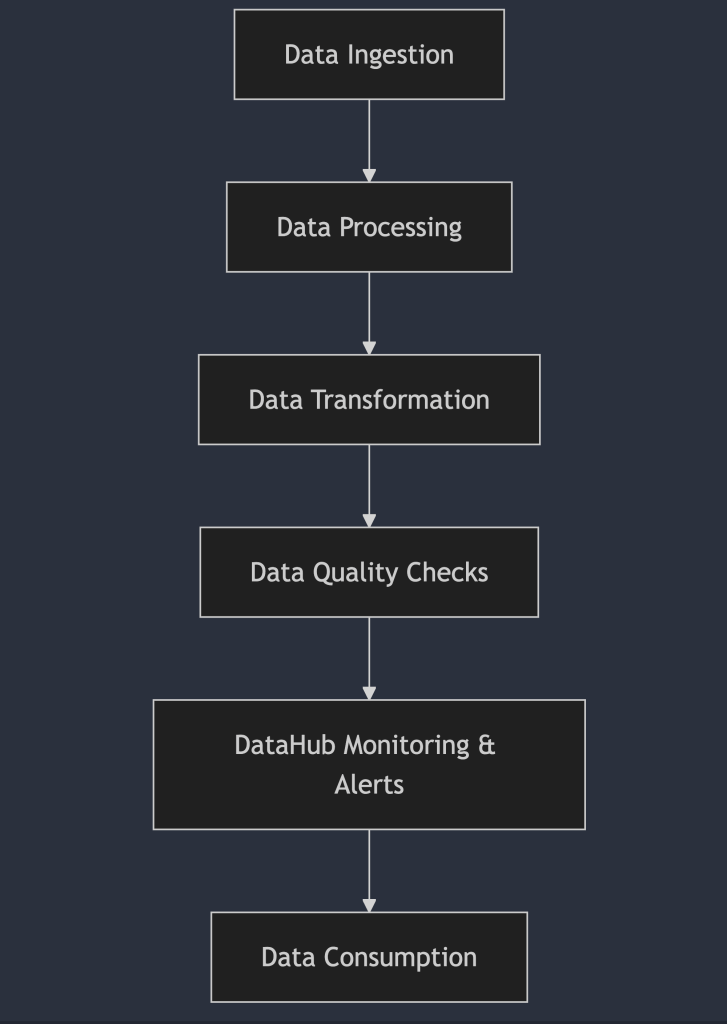
This flowchart illustrates LinkedIn’s data pipeline with DataHub’s monitoring and alerting layered in to ensure data quality.
Metadata Management: The Heart of DataHub
DataHub provides LinkedIn teams with a unified interface for metadata search and discovery, which is crucial for ML models. With DataHub, LinkedIn ensures that all relevant data attributes, transformations, and dependencies are captured and made discoverable across projects.
Key Metadata Management Features:
- Data Lineage: Understanding data’s journey from origin to final usage.
- Data Discoverability: Helping teams quickly locate and leverage existing data assets.
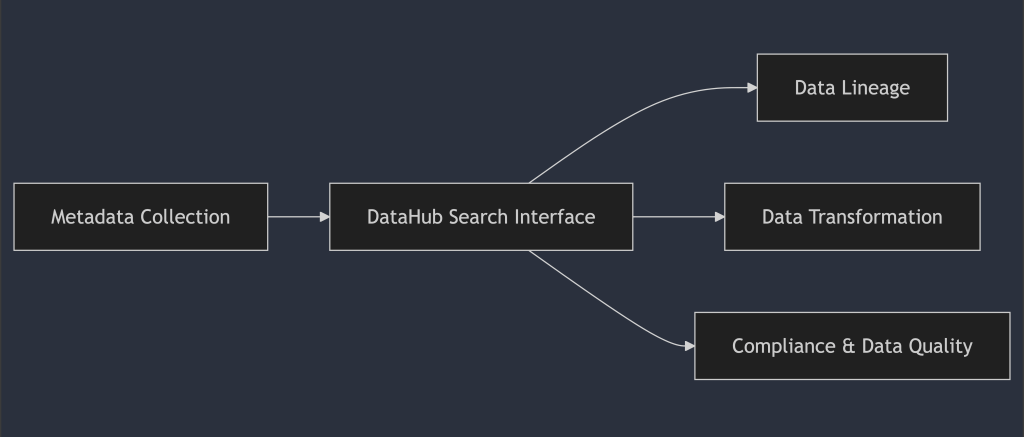
This chart shows how DataHub’s search interface ties metadata to key areas, enhancing data quality and governance.
Proactive Monitoring: Minimizing Downtime, Maximizing Reliability
To maintain seamless operations, LinkedIn integrates automated monitoring and alerting mechanisms within DataHub. This setup allows LinkedIn to identify and address issues within their ML pipelines before they impact downstream applications.
- Automated Alerts: Notifications trigger when data anomalies or quality drops are detected.
- Real-Time Monitoring: Continuous oversight ensures that pipeline interruptions are resolved swiftly.
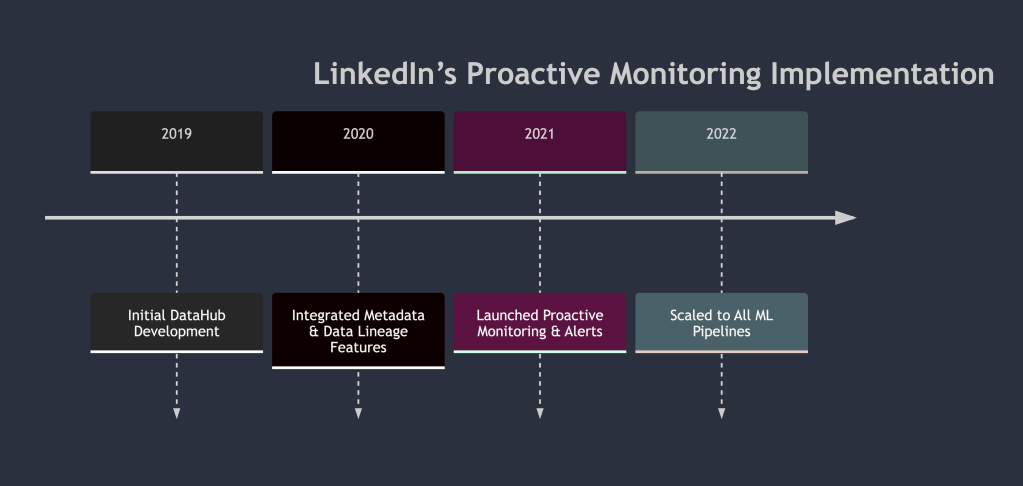
This timeline captures LinkedIn’s phased approach to developing DataHub, emphasizing how proactive monitoring evolved into a core feature.
Key Benefits of Data Observability at LinkedIn
DataHub’s approach to data observability provides LinkedIn with substantial benefits:
- Enhanced Data Quality: By proactively monitoring pipelines, LinkedIn minimizes data errors.
- Compliance and Governance: With detailed metadata and lineage tracking, LinkedIn meets regulatory standards.
- Efficiency Gains: Teams can locate and utilize relevant data faster, improving project timelines.
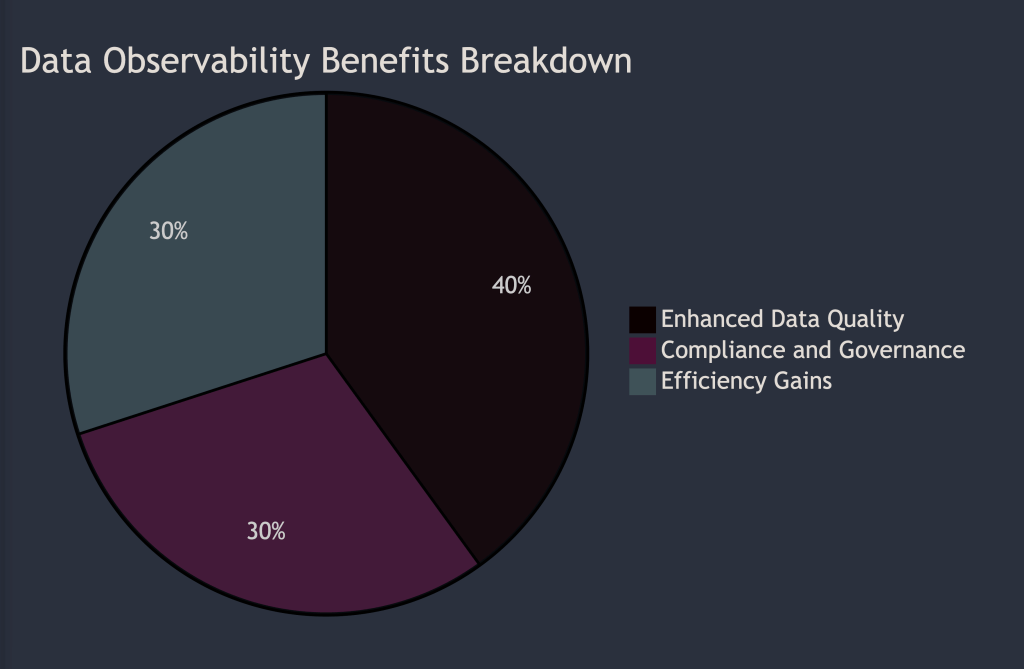
The chart illustrates the distribution of benefits that LinkedIn experiences from data observability through DataHub.
Practical Insights from LinkedIn’s DataHub
Here’s what LinkedIn’s approach to data observability can teach us:
- Invest in Metadata Management: Proper metadata management enables quick data search and discovery, especially critical in complex ML environments.
- Automate Monitoring: Automated monitoring identifies data issues early, preventing pipeline disruptions.
- Prioritize Data Lineage: Knowing the source and transformations of data helps in maintaining accuracy and ensuring data compliance.
LinkedIn’s DataHub is a testament to the power of data observability, reinforcing data reliability and operational efficiency. As data needs grow, investing in observability tools like DataHub will become increasingly essential for sustaining robust ML pipelines.

 Product Data & Everything