

“Explore data types, strategies, and career paths — shaping the future of industries. Dive into transformative possibilities!”
— Bidya Bhushan Bibhu ( DPM @ Bureau.id )
In an era dominated by data, the role of Data Products has emerged as a vital for organisations striving to make informed decisions, gain competitive advantages, and navigate the complexities of a data-driven world. This in-depth exploration takes you on a journey through the multifaceted realm of Data Products, encompassing diverse types, the nuanced responsibilities of Data Product Management, essential practices for successful management, and insights for individuals aspiring to build a career in this dynamic field.
Introduction
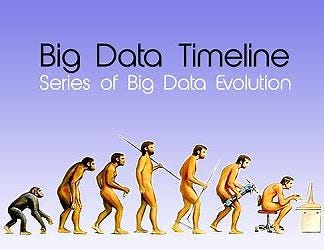
1.1 The Evolution of Data Products
As the digital landscape continues to evolve, organisations are leveraging data not just as a byproduct but as a strategic asset.
The evolution of data products stands as a testament to innovation’s relentless march forward. From basic data sets to sophisticated algorithms and insightful analytics, data products have undergone a remarkable transformation.
As organisations harness the power of data, these products have become integral to informed decision-making and strategy formulation. The journey reflects a shift from mere data collection to the creation of actionable insights, empowering businesses to adapt and thrive in dynamic markets.
The evolution of data products signifies a pivotal chapter in the digital era, where data isn’t just collected; it’s sculpted into a valuable asset steering the course of industries.
1.2 The Strategic Significance of Data Products
Beyond being tools, Data Products are strategic assets that fuel decision-making processes.
The Strategic Significance of Data Products is paramount in the contemporary business landscape. These products transcend mere informational tools, becoming strategic assets that drive decision-making and competitive advantage.
By transforming raw data into actionable insights, organisations can make informed choices, optimise processes, and stay ahead of the curve.
Data products strategically position companies to navigate complex market dynamics, ensuring relevance and resilience.
In essence, recognizing the strategic value of data products is key to unlocking a sustainable and adaptive future for businesses in the digital age.
Understanding Data Products: A Taxonomy

2.1 Raw Data Products: The Genesis of Insights
Raw data serves as the genesis of more sophisticated data products. We’ll explore the foundational role of raw data, its characteristics, and its transformation into actionable insights.
These products lay the foundation, capturing and organizing raw data into usable formats. Serving as the starting point of the data journey, they empower organizations to glean meaningful insights. Raw data products are the catalysts that set the stage for advanced analytics, machine learning, and predictive modeling.
As the initial step in the data processing chain, they pave the way for a cascade of transformative insights, driving informed decision-making across various industries. Embracing the significance of raw data products is pivotal for harnessing the full potential of data-driven strategies.
2.2 Transformed Data Products: Shaping Actionable Insights
Transformed data, a result of processes like ETL, takes center stage in this section. Understanding the nuances of transforming data and its impact on decision-making processes is crucial for effective Data Product Management.
These products take raw data and refine it through various processes, making it structured, organized, and ready for analysis.
By transforming data, these products enable organisations to derive actionable insights that drive decision-making. From cleansing and normalisation to aggregation and integration, transformed data products lay the groundwork for advanced analytics and business intelligence. Embracing the power of transformed data products is essential for organisations seeking to extract meaningful and actionable information from their data assets.
2.3 Algorithmic Data Products: Powering Intelligent Solutions
Algorithms are the driving force behind intelligent data products. Real-world examples from industry leaders will illuminate the transformative power of algorithms in enhancing product functionality.
These products leverage sophisticated algorithms to analyze and interpret data, unveiling patterns, trends, and predictions.
By harnessing the power of artificial intelligence and machine learning, algorithmic data products offer organisations the ability to make intelligent and informed decisions.
Whether optimising processes, personalising user experiences, or predicting future outcomes, these products pave the way for innovative solutions. Embracing algorithmic data products is key for organizations looking to stay at the forefront of data-driven innovation and unlock the full potential of their data.
2.4 Insights Data Products: Illuminating Actionable Intelligence
Insights data products bridge the gap between raw data and actionable intelligence. Case studies from prominent organisations will showcase the pivotal role insights play in strategic decision-making.
These products go beyond raw data, transforming it into comprehensible information that aids decision-making processes.
Leveraging advanced analytics and visualisation techniques, insights data products empower organisations to gain a deeper understanding of their operations, customers, and market dynamics.
By illuminating patterns and trends, these products provide valuable knowledge for strategic planning and business optimisation. Embracing insights data products is crucial for organisations seeking a competitive edge in today’s data-driven landscape.
2.5 Alerts and Monitoring Data Products: Safeguarding Data Health
In a data-centric world, ensuring data health is paramount. This section dissects the importance of alerts and monitoring data products in safeguarding the integrity and health of data assets.
These products play a crucial role in proactively identifying and addressing potential issues, anomalies, or deviations from expected data patterns.
By setting up alerts and continuous monitoring mechanisms, organisations can promptly respond to data-related challenges, preventing disruptions and maintaining data health.
This proactive approach enhances data reliability, security, and overall operational efficiency.
Implementing Alerts and Monitoring Data Products is essential for organisations committed to upholding the integrity of their data assets and ensuring a resilient and healthy data ecosystem.
The Role of Data Product Management: A Symphony of Coordination
3.1 Defining the Data Product Manager (DPM) Role
DPMs play a unique role in the ecosystem, treating data as a valuable product. We’ll explore the distinctive responsibilities that come with this role and how it differs from traditional product management.
The role of a Data Product Manager (DPM) is multifaceted, encompassing a diverse set of responsibilities crucial for the successful development and delivery of various types of data products. A DPM acts as a bridge between data teams and consumer teams, ensuring seamless coordination and communication. Unlike traditional product managers, a DPM treats data as a primary product, utilizing it to drive decision-making, enhance operational efficiency, and power machine learning algorithms.
Responsibilities of a DPM include
- Prioritising initiatives for data teams
- Serving as a coordinator for requests from product teams
- Orchestrating end-to-end development of data products.
The DPM functions as a quarterback, aligning data strategy with collection and consumption plans and centralising data sets. This role also involves providing necessary tooling for data product infrastructure, monitoring data quality, and addressing privacy and security considerations.
In addition to technical acumen, a successful DPM needs to foster a data-informed culture within an organization. Collaboration with data teams, understanding the flow of data, and acquiring skills like data fluency and effective stakeholder management are crucial for excelling in this role. A DPM’s responsibilities extend to building trust, driving adoption, and empowering users, ensuring a comprehensive and successful data product management journey.
3.2 The Orchestra of Collaboration: DPMs Across Teams
Effective collaboration is the cornerstone of successful Data Product Management.
In the dynamic landscape of data-driven ventures, the role of a Data Product Manager (DPM) emerges as a conductor, harmonizing collaboration across diverse teams. The DPM serves as a vital, orchestrating the flow of insights from data teams to consumer teams, embodying a pivotal role in fostering a data-informed culture. Responsibilities span from prioritizing initiatives to delivering valuable data products, empowering teams for informed decision-making.
This collaborative symphony, however, isn’t without challenges. Misalignment among teams, complexities of early adoption, and the essential need for emotional intelligence are hurdles. Yet, by understanding data flow, aligning teams, and fostering open communication, DPMs play a crucial role in crafting a harmonious data environment, unlocking the true potential of data for actionable insights.
3.3 Challenges and Strategies in Data Product Management
Success in Data Product Management is accompanied by challenges.
Navigating the intricacies of Data Product Management (DPM) presents a tapestry of challenges and strategic opportunities. The evolving landscape demands adept orchestration, with DPMs facing hurdles such as misalignment among teams, being pioneers in untested methodologies, and the necessity to build emotional intelligence for effective cross-functional collaboration.
However, these challenges become fertile grounds for strategic growth. Understanding the flow of data, aligning teams through effective stakeholder management, and ensuring data quality and privacy are pivotal strategies. By fostering a culture of collaboration, embracing emerging methodologies cautiously, and championing emotional intelligence, DPMs can overcome challenges and steer their teams toward a data-driven triumph.
Essentials for Successful Data Product Management

4.1 The Backbone: Centralising Data Sets
Centralisation ensures accessibility and consistency in data.
- Comprehensive Data Audit: Before embarking on centralization, conduct a comprehensive audit of existing data sources. Understand the types of data generated, stored, and utilized across the organization. This audit serves as the foundation for creating a roadmap towards centralisation
- Data Governance Framework: Establish a robust data governance framework that outlines policies, standards, and procedures for data management. Define roles and responsibilities, implement data quality controls, and ensure compliance with regulations. A well-defined governance structure is crucial for maintaining the integrity and reliability of the centralised data.
- Unified Data Architecture: Design a unified data architecture that accommodates diverse data types and formats. Whether structured, semi-structured, or unstructured, the architecture should provide flexibility while maintaining a level of standardisation to facilitate seamless integration and accessibility.
- Scalable Infrastructure: Invest in scalable infrastructure, considering both current and future data needs. Cloud-based solutions often provide the flexibility and scalability required for efficient centralization. Scalable infrastructure ensures that the centralised data repository can accommodate the growing volume and complexity of data.
- Collaborative Cross-Functional Approach: Foster collaboration between data teams, consumer teams, and other relevant stakeholders. Involve representatives from different departments to gather insights into their specific data requirements. This collaborative approach ensures that the centralised data meets the diverse needs of the entire organisation.
- Continuous Monitoring and Optimization: Implement continuous monitoring mechanisms to track the quality, security, and performance of the centralized data. Regularly optimise the centralisation strategy based on evolving business needs, technological advancements, and changes in the data landscape.
- Training and Change Management: Provide training programs to equip teams with the skills needed to interact with the centralised data effectively. Implement change management strategies to ease the transition to a centralized model, addressing any resistance and ensuring a smooth integration into daily workflows.
4.2 Aligning Data Strategy: A Symbiotic Approach
A well-aligned data strategy is pivotal for success because it dissects the elements of aligning data strategy with both collection and consumption plans, providing a comprehensive guide for organisations.
This process involves harmonizing the organization’s overarching business objectives with its approach to handling and leveraging data.
To achieve this alignment, it is imperative to engage key stakeholders, including business leaders, data scientists, and Tech teams, in a collaborative dialogue.
Clearly define the goals and outcomes that the data strategy aims to support, ensuring they resonate with the broader business vision. Additionally,
establish a roadmap that outlines the steps needed to synchronise data initiatives with organisational objectives. This alignment not only enhances decision-making processes but also ensures that the data products developed are in tandem with the strategic direction of the business, ultimately contributing to the overall success of Data Product Management initiatives.
4.3 Equipping DPMs: Providing Necessary Tooling
Tools form the bedrock of effective Data Product Management.
To facilitate effective decision-making and streamline processes, DPMs require tools that enable seamless data integration, analysis, and visualisation.
Robust data management platforms, analytics software, and collaboration tools play a vital role in enhancing the efficiency of DPMs. Moreover, ensuring accessibility to advanced technologies like machine learning and AI-driven tools equips DPMs to derive deeper insights from data, fostering innovation in product development.
By investing in and continually updating the toolkit available to DPMs, organizations lay the foundation for a dynamic and responsive Data Product Management ecosystem, where managers can navigate the complexities of data with agility and precision.
4.4 Data Quality, Privacy, and Security: Non-Negotiable Foundations
Maintaining data quality, ensuring privacy, and upholding security standards are non-negotiable.
DPMs are entrusted with the responsibility of ensuring that data, the lifeblood of their initiatives, adheres to the highest standards of accuracy, consistency, and reliability.
Implementing robust data governance mechanisms becomes imperative to uphold privacy standards, comply with regulations such as GDPR and CCPA, and secure sensitive information.
Encryption protocols, well-defined retention policies, and proactive measures against data breaches are integral components of the DPM’s strategy. By embedding these non-negotiable foundations into the fabric of data initiatives, DPMs fortify the trustworthiness of the entire data ecosystem, providing a solid foundation for informed decision-making and sustainable product development.
4.5 Balancing Act: Data Delivery Mechanisms
Understanding the importance of data delivery mechanisms, balancing frequency, and addressing latency requirements are key elements for successful Data Product Management.
DPMs strategically orchestrate the delivery pipeline, considering factors like frequency and latency to meet the diverse needs of end-users. Whether it’s real-time analytics driving swift decision-making or scheduled data updates for comprehensive reporting, DPMs navigate the nuances to strike the right balance.
By optimising data delivery, DPMs contribute to the seamless flow of information, empowering stakeholders with the right data at the right time. This strategic approach ensures that data becomes a valuable asset, enhancing operational agility and driving the success of data-driven initiatives.
4.6 Data Lakes, Data Warehouses, and Self-Serve Capabilities: Navigating the Technological Landscape
Data lakes and data warehouses play distinct roles in the technological landscape.
Data Lakes serve as vast reservoirs, accommodating diverse data types at scale, making them ideal for dynamic enterprise applications. On the other hand, Data Warehouses focus on structured data, emphasising data quality and consistency for critical business insights.
Navigating this technological landscape requires a nuanced approach, and DPMs are at the forefront, strategically leveraging both environments to cater to specific business needs.
Additionally, empowering users with self-serve capabilities ensures that stakeholders can harness the power of data independently, fostering a culture of data-driven decision-making across the organisation. The successful integration of Data Lakes, Data Warehouses, and self-serve capabilities not only streamlines data accessibility but also positions organizations for agility in the ever-competitive data landscape.
Navigating the Career Path: From Aspiration to Success

5.1 Understanding Data Flow: The Foundation for Aspiring Professionals
For those aspiring to enter the field, understanding the flow of data is foundational.
Aspiring data professionals must grasp the intricate process of how data is captured, collected, processed, stored, and analyzed across various use cases.
This involves delving into the intricacies of data pipelines and familiarising oneself with the tools associated with them, such as SQL and data visualisation. Gaining proficiency in machine learning and artificial intelligence further enhances one’s capabilities, contributing to a holistic comprehension of the data landscape.
By immersing themselves in the flow of data, aspiring professionals can build a strong foundation for a rewarding career and set the stage for future growth in the ever-expanding field of data management.
5.2 Acquiring Necessary Skills: Building the Arsenal
Data fluency, proficiency in tools like SQL, and understanding machine learning are essential skills.
Acquiring a diverse set of skills is akin to building an arsenal that empowers professionals to navigate challenges and seize opportunities. Data fluency, a fundamental skill, involves mastering the language and tools used by data teams, including SQL and data visualisation.
Adeptness in understanding machine learning and artificial intelligence adds another layer of proficiency, enabling professionals to engage with cutting-edge technologies.
Furthermore, effective stakeholder management, encapsulated in the skill of buying and alignment, ensures successful collaboration across teams and alignment with organisational goals. Aspiring data professionals should focus on honing these skills, constructing a robust arsenal that positions them for success in the intricate and ever-evolving landscape of data management.
5.3 Stakeholder Management: A Cornerstone of Success
Effective stakeholder management is crucial for success.
The ability to navigate through diverse stakeholders is a cornerstone of success. Effective stakeholder management is not merely a skill but a strategic approach that involves understanding, aligning, and collaborating with various teams and individuals across the organisation.
A data product manager (DPM) serves as a liaison, ensuring that the needs and expectations of both data teams and consumer teams are not only met but harmonised for optimal outcomes.
Building strong relationships, fostering open communication, and aligning stakeholders with the overarching data strategy are key elements in this intricate process. The success of data product management hinges on the DPM’s adeptness at stakeholder management, transforming it from a challenge into a strategic advantage.
Building Trust and Empowering Users: Nurturing Data Maturity

6.1 Fostering a Data-Informed Culture: The Organisational Paradigm
Building trust, driving adoption, and empowering users are vital for fostering a data-informed culture within an organisation.
Fostering a data-informed culture becomes a pivotal aspect of nurturing organisational growth. It transcends the mere utilization of data; it’s about creating an environment where data becomes an integral part of the organisational DNA.
Data product managers play a crucial role in shaping this paradigm, encouraging teams to not only leverage data for insights but also to integrate it seamlessly into their daily operations.
Establishing a data-informed culture involves educational initiatives, promoting data fluency across departments, and emphasising the importance of making decisions backed by robust data.
By instilling this paradigm, organisations can unlock the true potential of their data, transforming it into a powerful asset that propels informed decision-making and, consequently, overall data maturity.
6.2 Lessons from Challenges: A Personal Reflection
Drawing from personal experiences, we’ll explore challenges faced in the journey of Data Product Management, highlighting the importance of emotional intelligence, effective communication, and a solution-oriented mindset.
Each hurdle encountered is an opportunity for growth and refinement. Reflecting on personal challenges faced during this expedition brings forth insights that not only shape individual professional development but contribute to the broader understanding of effective data product management.
It’s in overcoming these challenges, whether misalignment among teams, embracing untested methodologies, or cultivating emotional intelligence for cross-functional collaboration, that a data product manager evolves. These lessons become guiding beacons for navigating the intricate landscape of data, emphasizing the importance of adaptability, resilience, and continual learning in the realm of data product management.
Conclusion: Navigating the Dynamic Data Landscape
In conclusion, as organisations navigate the ever-evolving data landscape, the effective utilisation of Data Products becomes a strategic imperative. By comprehending the nuances of their types, understanding the multifaceted role of Data Product Management, and cultivating essential skills, organisations can unlock the true power of their data assets. This comprehensive guide serves as a beacon, offering valuable insights for both seasoned professionals and those embarking on a journey into the dynamic realm of Data Products.

 Product Data & Everything