
“Numbers are like summaries of countless stories. Share a few stories to make the data come alive and have real meaning.”
— Bidya Bhushan Bibhu ( DPM @ Bureau.id )
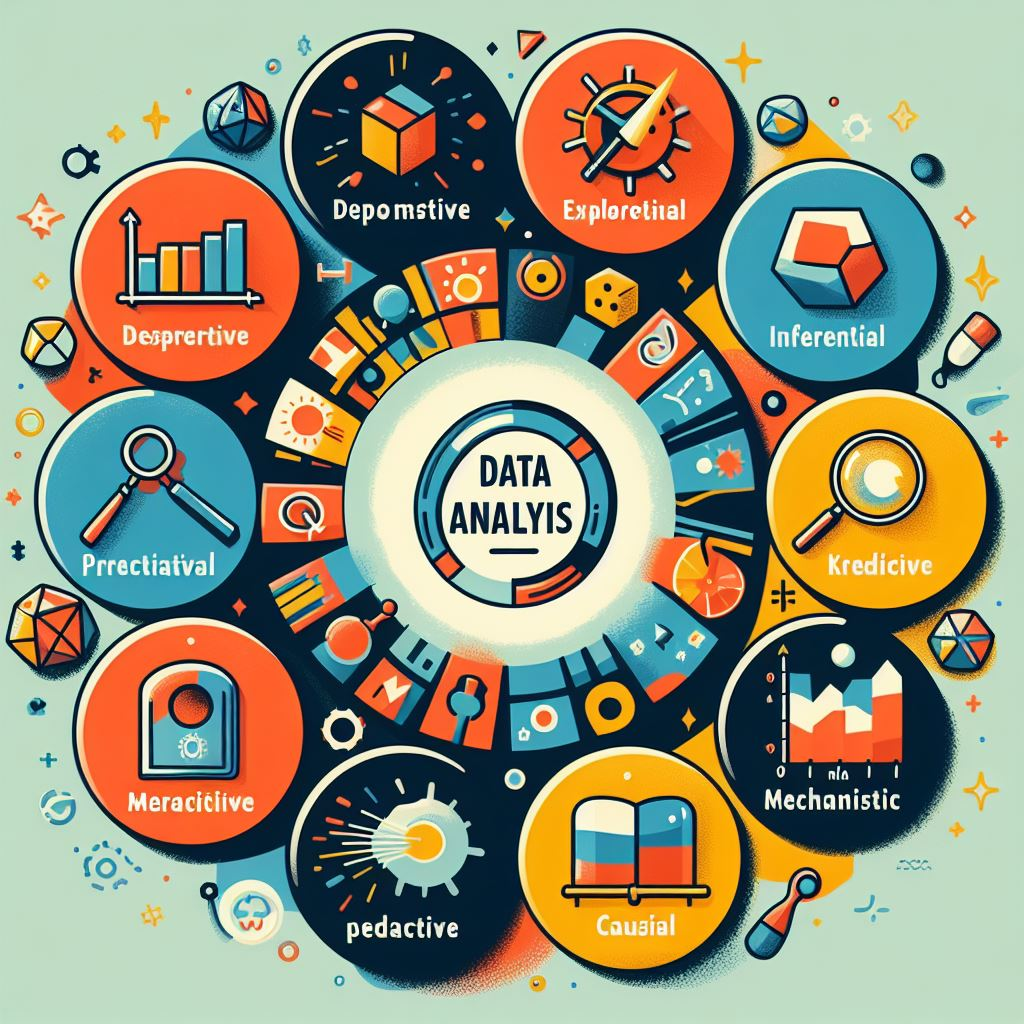
Embarking on a journey through the intricate landscape of data analysis, we encounter various types, each with its own unique purpose and approach. Let’s delve into the world of data analytics, demystifying its complexities and exploring how it shapes decision-making in the realms of Ecommerce and SaaS.
Read below for the types of the Data Analysis
Descriptive Analysis: Painting a Picture of Trends

Description:
Descriptive analysis is the artist of data, capturing and summarizing basic characteristics like averages, frequencies, and distributions. Imagine it as a painter showcasing the colours that make up a canvas of trends.
DESCRIPTIVE analysis Solves for: “What happened?”
Let’s jump into some examples from Ecommerce and SaaS industry to understand this better.
Ecommerce: Analysing sales data to illustrate the peak times for customer purchases during the holiday season.
SaaS: Summarizing user engagement metrics to showcase patterns in software usage over time.
Diagnostic Analysis: Unveiling the Story Behind Trends
Description:
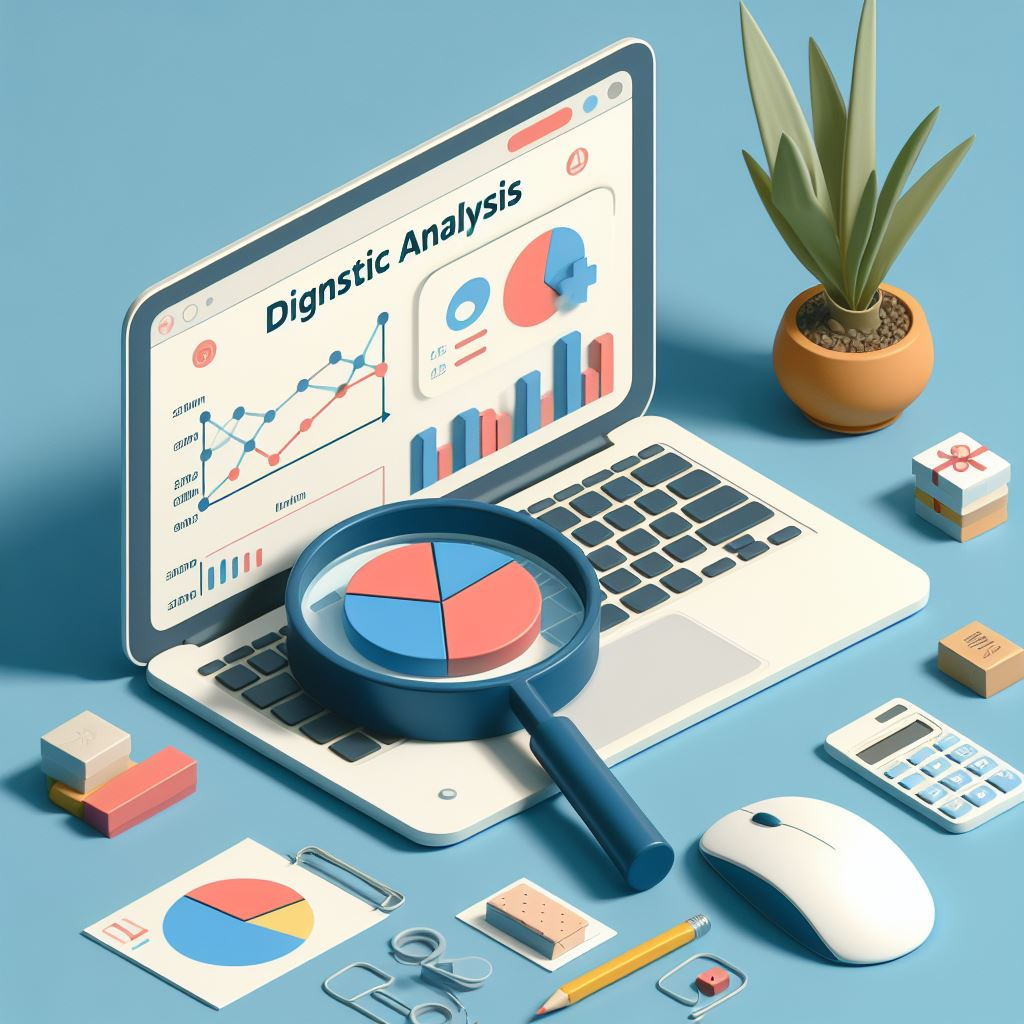
Diagnostic analysis is the storyteller of data in analytics world. It involves digging deeper to identify factors influencing specific outcomes or trends. For example, understanding the reasons behind a sudden surge in product returns.
DIAGNOSIS analysis Solves for: “Why did this happen?”
Let’s jump into some examples from Ecommerce and SaaS industry to understand this better.
Ecommerce: Investigating a decrease in customer satisfaction scores to uncover the specific pain points in the online shopping experience.
SaaS: Analysing a drop in user engagement to identify potential bugs or issues within the software.
Predictive Analysis: Forecasting Future

Description:
Predictive analysis is the fortune-teller, forecasting future events or values based on historical data patterns. It’s the crystal ball that helps anticipate what might unfold next.
PREDICTIVE analysis Solves for: “What might happen next?”
Let’s jump into some examples from Ecommerce and SaaS industry to understand this better.
Ecommerce: Predicting inventory needs based on historical sales data to prevent stockouts.
SaaS: Forecasting potential server loads to optimize infrastructure and prevent performance issues.
Prescriptive Analysis: Guiding Decisions

Description:
Prescriptive analysis is the guide in the Analytic world, recommending optimal actions based on predicted outcomes and potential impacts. It’s akin to a GPS system for decision-making, suggesting the most effective route.
PRESCRIPTIVE analysis Solves for: “What should we do now?”
Let’s jump into some examples from Ecommerce and SaaS industry to understand this better.
Ecommerce: Suggesting personalized product recommendations to users based on their browsing and purchase history.
SaaS: Providing automated suggestions for optimizing software configurations based on usage patterns.
Exploratory Data Analysis (EDA): Navigating the Unknown

Description:
EDA is the compass for all analyst in any industry, providing an initial, open-ended investigation to understand data characteristics and uncover potential insights. It’s about navigating the unknown terrain of data.
EXPLORATORY analysis Solves for: “What can we discover here?”
Let’s jump into some examples from Ecommerce and SaaS industry to understand this better.
Ecommerce: Exploring customer feedback data to identify emerging trends or issues that were not initially apparent.
SaaS: Investigating user interactions with a new software feature to understand its impact.
Causal Analysis: Understanding Chain Reactions

Description:
Causal analysis in the analytics realm is like being a detective, identifying factors causing specific outcomes. It’s about understanding the chain reactions within the software ecosystem.
CAUSAL analysis Solves for: “What caused this effect?”
Let’s jump into some examples from Ecommerce and SaaS industry to understand this better.
Ecommerce: Determining the impact of a website redesign on user engagement and purchasing behaviour.
SaaS: Investigating the relationship between software updates and changes in user satisfaction.
Inferential Analysis: Drawing Wider Conclusions
Description:
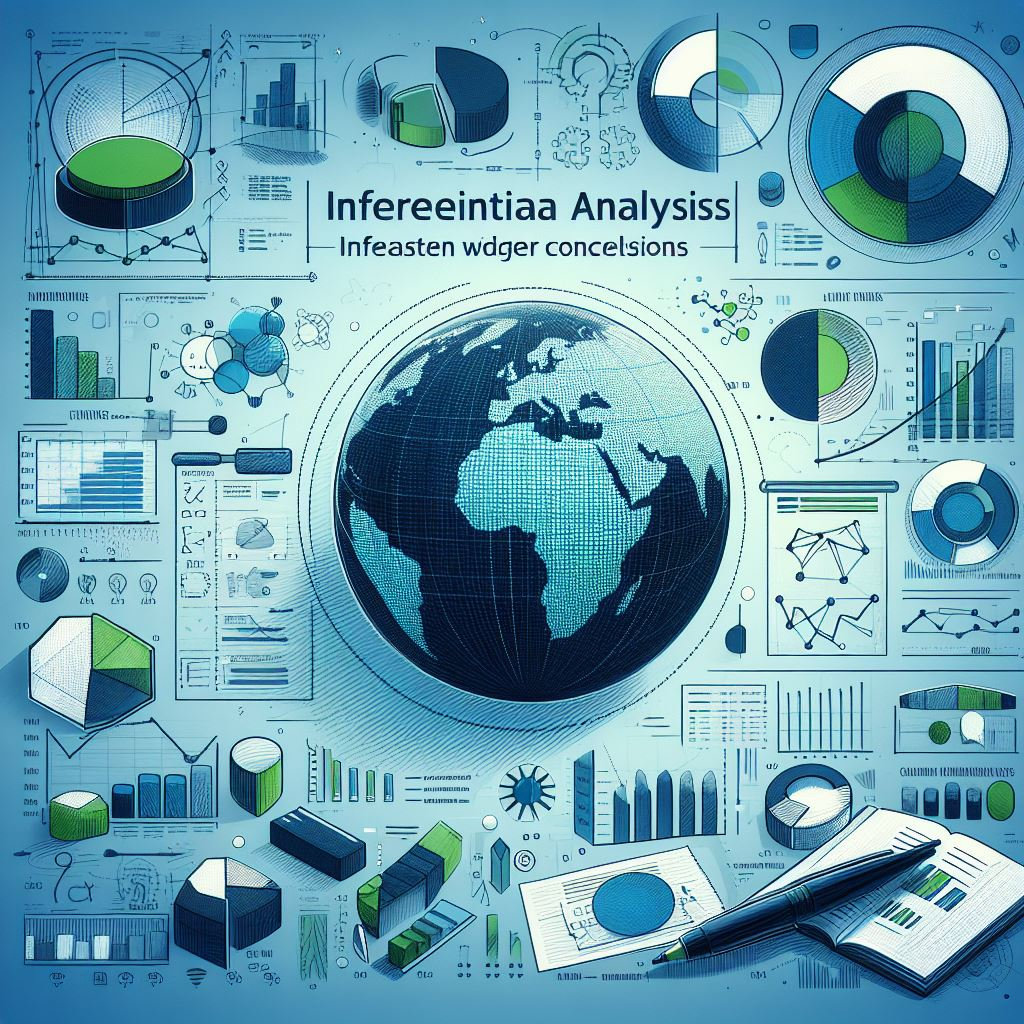
Inferential analysis in analytics industry draws conclusions about a larger population based on a sample. It’s about making informed generalizations from specific data points.
INFERENTIAL analysis Solves for: “What can we conclude about the entire audience?”
Let’s jump into some examples from Ecommerce and SaaS industry to understand this better.
Ecommerce: Estimating overall customer satisfaction levels based on a survey of a representative sample.
SaaS: Drawing insights about the performance of a software feature based on feedback from beta testers.
Mechanistic Analysis: Understanding Inner Workings
Description:
Mechanistic analysis in the analytics industry involves examining underlying mechanisms and relationships within complex systems. It’s about understanding how different parts work together.
MECHANISTIC analysis Solves for: “How do these components interact?”
Let’s jump into some examples from Ecommerce and SaaS industry to understand this better.
Ecommerce: Analysing the impact of changing product prices on overall sales and customer loyalty.
SaaS: Understanding how alterations in one module of the software affect the overall user experience.
This detailed exploration aims to unravel the significance of each type of data analysis in the contexts of Ecommerce and SaaS. As we navigate the diverse landscape of data, these analytical tools emerge as indispensable guides, shaping the decisions that drive these dynamic industries forward.

 Product Data & Everything